
Our Priorities
Climate Change

Climate change is the defining challenge of our time—and a cross-cutting threat to forests, wildlife, agriculture, and human wellbeing. At N4L, we prioritise climate action because without a stable climate, ecosystems cannot thrive, food systems cannot remain secure, and communities cannot build sustainable futures. Addressing climate change is therefore not a standalone objective; it is central to achieving our vision of resilient landscapes and prosperous communities living in harmony with nature.
Rising temperatures, erratic rainfall, prolonged droughts, flooding, and extreme weather events are already undermining forest health, accelerating biodiversity loss, and reducing agricultural productivity. These impacts disproportionately affect rural and vulnerable communities who depend directly on natural resources for their livelihoods. By focusing on climate change, N4L works to both mitigate emissions—through forest conservation, restoration, and sustainable land use—and strengthen adaptation through climate-smart agriculture and ecosystem-based solutions.
Forests

Forests are the foundation upon which resilient ecosystems, stable climates, thriving wildlife, and sustainable livelihoods depend. At N4L, we prioritise forests because they are the natural infrastructure that sustains life—regulating climate, protecting biodiversity, securing water sources, enriching soils, and supporting millions of people whose livelihoods rely directly on forest resources.
Healthy forests act as powerful carbon sinks, making them one of the most effective natural solutions to climate change. By conserving and restoring forest landscapes, we strengthen communities' capacity to adapt to climate impacts while contributing to global mitigation efforts. Forests also provide habitat corridors essential for wildlife survival and genetic diversity, directly advancing our commitment to biodiversity protection.
Moreover, forests and agriculture are deeply interconnected. Sustainable forest management prevents land degradation, enhances soil fertility, and supports climate-smart agricultural systems that improve food security and rural incomes. Without thriving forests, agricultural productivity declines, wildlife habitats shrink, and climate vulnerabilities intensify.
Agriculture
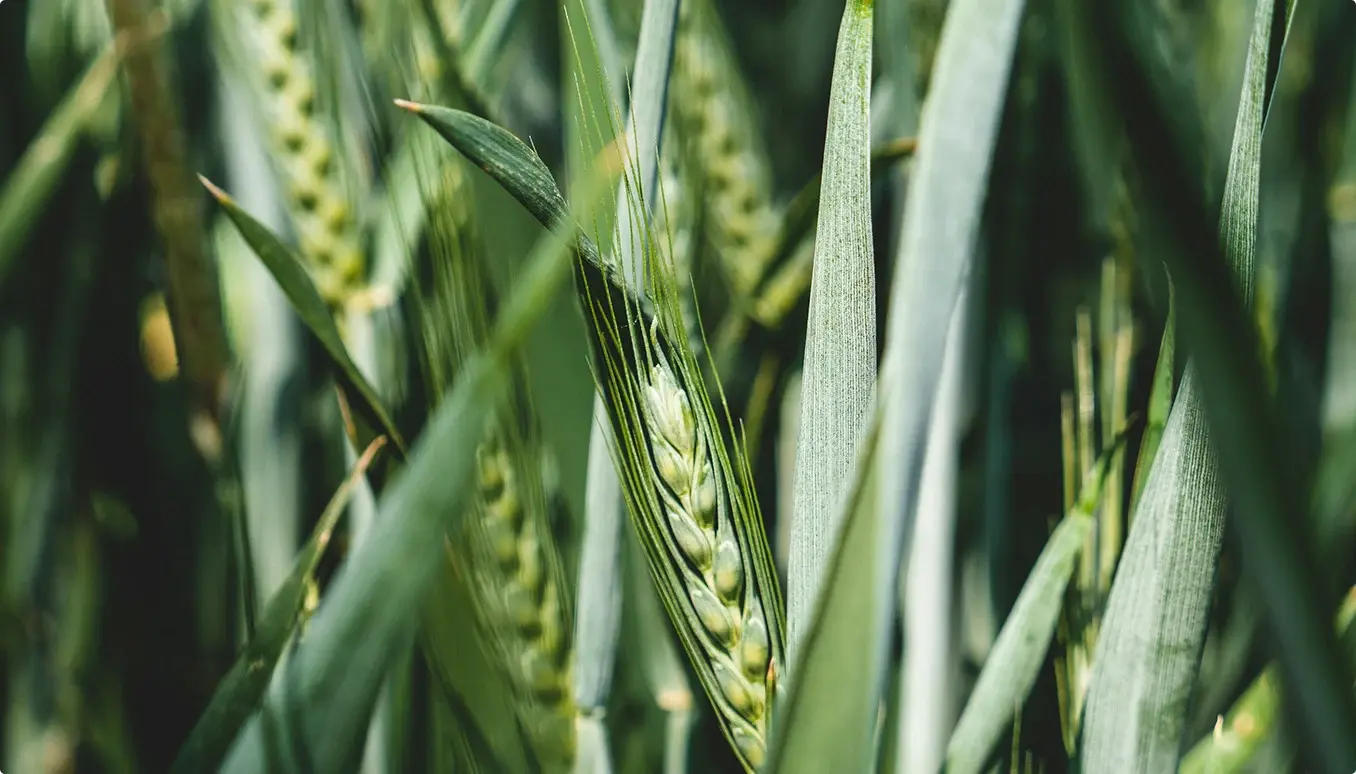
Agriculture sits at the heart of the relationship between people and nature. At N4L, we prioritise agriculture because it is both a livelihood lifeline for communities and a powerful lever for environmental transformation. When practiced sustainably, agriculture can restore soils, protect forests, conserve biodiversity, and strengthen climate resilience. When mismanaged, it can accelerate deforestation, habitat loss, and climate vulnerability. Our focus is therefore on transforming agriculture into a force for regeneration rather than degradation.
Climate-smart and nature-positive agricultural systems reduce pressure on forests by increasing productivity on existing farmland, promoting agroforestry, and integrating sustainable land management practices. These approaches enhance soil fertility, improve water retention, diversify incomes, and reduce greenhouse gas emissions—directly contributing to climate adaptation and mitigation goals. By supporting farmers with knowledge, innovation, and market access, we empower communities to lead bold climate action from the ground up.
Wildlife

Wildlife is a living indicator of ecosystem health and a vital pillar of resilient landscapes. At N4L, we prioritise wildlife because it sustains the natural systems that animal and plant species sustain: ecological balance, strengthen climate resilience, and support livelihoods linked to tourism, ecosystem services, and sustainable resource use. Protecting wildlife is therefore inseparable from protecting forests, securing agriculture, and empowering communities to lead climate action.
Biodiversity underpins the natural systems that regulate water, pollinate crops, control pests, disperse seeds, and maintain soil fertility. When wildlife populations decline, ecosystems weaken—forests lose their regenerative capacity, agricultural productivity suffers, and climate adaptation becomes more difficult. By conserving habitats, strengthening ecological corridors, and promoting coexistence between communities and wildlife, N4L safeguards the ecological integrity necessary for long-term sustainability.
Agribusiness
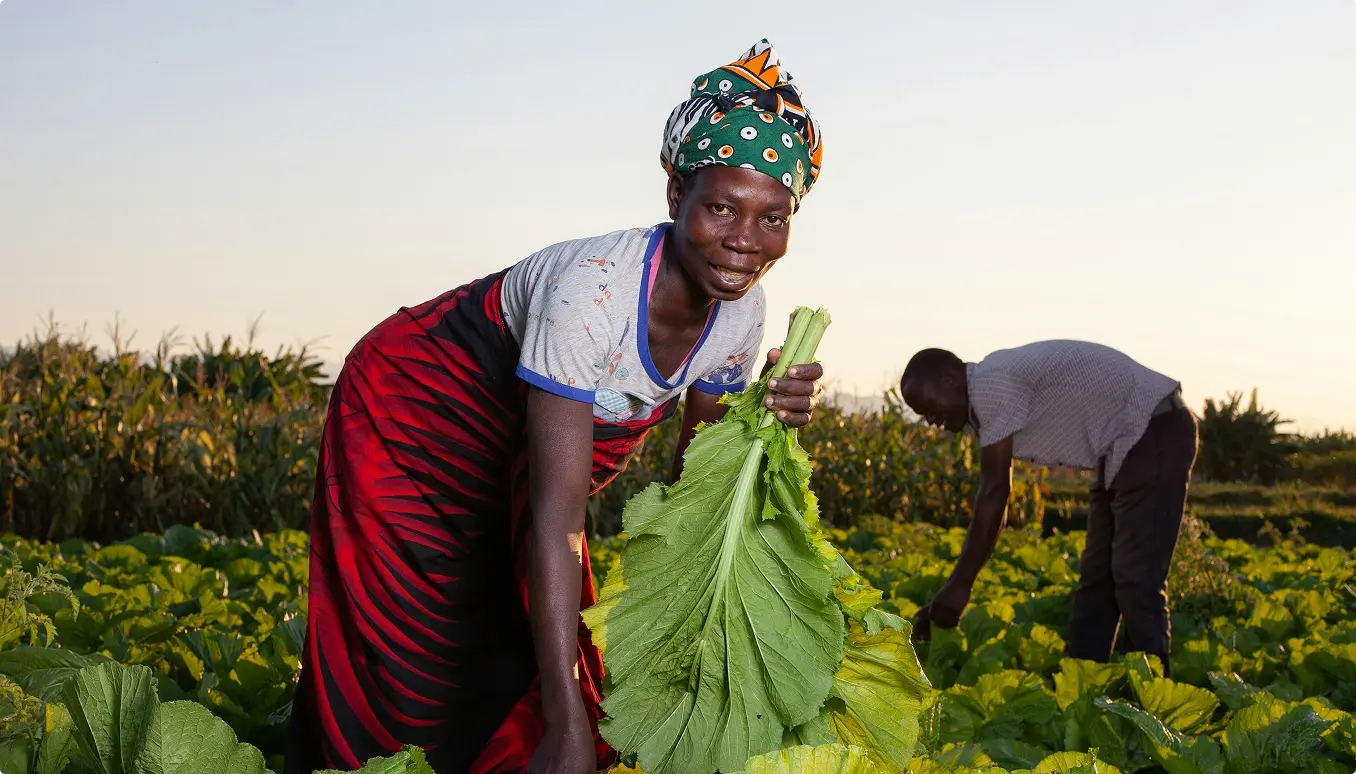
Agribusiness is the bridge between sustainable production and inclusive economic growth. At N4L, we prioritises agribusiness because transforming agricultural value chains is essential to ensuring that sustainability is not only environmentally sound but also economically viable. When farmers and rural enterprises can access fair markets, add value to their products, and operate responsibly, they are better positioned to protect forests, conserve wildlife, and invest in climate-resilient practices.
Unsustainable market pressures often drive deforestation, habitat destruction, and land degradation. By strengthening sustainable agribusiness models—such as climate-smart value chains, agroforestry enterprises, and biodiversity-friendly production systems—N4L addresses the economic root causes of environmental loss.